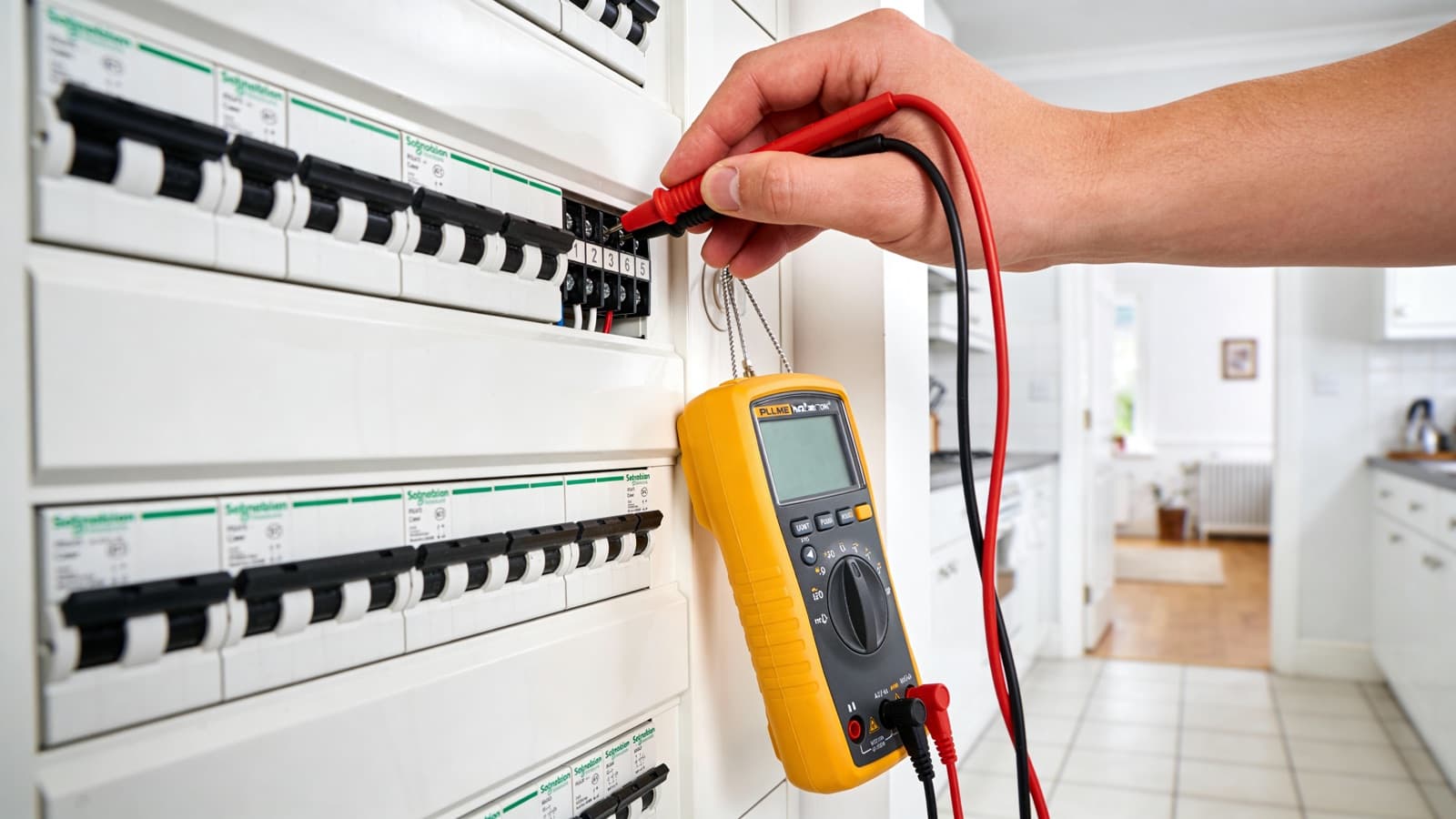
Electrical testing isn't just for new installations. Whether you're buying a property, renting one out, or simply want to check that your home's wiring is safe, periodic testing gives you a clear picture of where you stand. Here's a straightforward guide to the types of testing available, when you need them, and what the reports actually mean.
It's a PIR in Ireland, Not an EICR
First, a naming problem that causes a lot of confusion. The document most people ask for by name (an EICR, or Electrical Installation Condition Report) is British. It is issued under BS 7671, the UK wiring regulations. Ireland has its own equivalent: the Periodic Inspection Report, or PIR, issued on numbered forms by a Safe Electric Registered Electrical Contractor. If your solicitor, agent or insurer asks for an EICR, a PIR is the Irish document they need. We mention this because a great deal of the advice written for Irish homeowners was simply copied from UK sources, and some of it is wrong here.
A PIR is a thorough assessment of your property's electrical installation. The electrician inspects the consumer unit, wiring, earthing, bonding, sockets, switches and light fittings, and every circuit is tested for continuity, insulation resistance, polarity, earth fault loop impedance and RCD operation. Safe Electric is explicit that a PIR is a report and not a Completion Certificate: it describes the condition of what exists rather than certifying new work.
Understanding the Irish Grading System
This is where the UK advice does real damage. Irish PIRs do not use C1, C2 and C3 codes. Those are the British system. An Irish report uses a numbered scale from 1 to 4:
- 1: Requires urgent attention
- 2: Requires improvement
- 3: Requires some attention
- 4: Does not comply with the current National Rules for Electrical Installations
The one worth understanding properly is code 4. Safe Electric states plainly that a non-compliance with the current rules does not necessarily mean the installation is unsafe. Wiring installed correctly under an earlier edition of the rules is often perfectly safe. It simply is not what would be installed today. A report full of code 4 items on a 1990s house is normal, not an emergency, and anyone using it to sell you a rewire should be asked to explain each item individually. We go through every code on your report in plain English for exactly that reason.
When Do You Need Testing?
There is no fixed interval in Irish law for a private home, and we are not going to invent one. The National Rules say the frequency of periodic inspection is determined by the type of installation, its use, how well it is maintained and the conditions it is subjected to. The triggers that matter are events, not dates:
- Buying a property: A pre-purchase survey gives you a stronger negotiating position and flags costly upgrades before you sign
- Selling a property: No law requires an electrical cert to sell, but a buyer's solicitor will ask for the Completion Certificate covering any work that was done. Our guide on whether you need an electrical cert to sell or rent covers what's actually expected
- Renting out a property: Irish landlords have a duty to keep the electrical installation safe and in good repair. There is no statutory certificate or interval attached to that duty, but a current PIR is the most practical way to evidence you met it
- Running a business premises: This one is a legal duty. Regulation 89 of the Safety, Health and Welfare at Work (General Application) Regulations 2007 requires an employer to have the installation tested by a competent person from time to time, with a written report. The HSA publishes suggested intervals: 5 years for offices, shops, hotels and pubs, 3 years for industrial premises, 6 months for construction sites
- After a flood, fire or major alteration: Water and heat damage cable in ways you cannot see, and significant building work can compromise an installation that was previously sound
New Installation Testing
When a new electrical installation is completed (whether it's a full house rewire, a new build, or a new circuit) the installing contractor must test and certify the work. This isn't optional. The Safe Electric completion certificate confirms that the installation has been tested in accordance with IS 10101 and is safe for use. This certificate is your evidence of compliance for insurance, conveyancing, and building control purposes.
What Testing Costs
A Periodic Inspection Report for a three-bedroom house typically takes 2–3 hours and costs between €200 and €350, depending on the size and complexity of the installation. If remedial work is needed, we'll quote that separately so you can make an informed decision. There are no surprises. You'll know exactly what needs doing and what it costs before any work begins. These are indicative ranges for guidance, not a quote; the accurate figure comes once we know what we're inspecting.
Choosing a Testing Provider
Testing should be carried out by a Safe Electric registered electrician using calibrated test instruments. The report should come with the completed Test Record Sheet showing measured values, not just a pass/fail summary. That single question separates a real inspection from a visual walk-round with a document attached. Records for a permanent installation should be kept for at least ten years and handed to whoever inspects it next, because a previous set of readings is the only reliable way to see what has changed. Full detail on what Irish law does and doesn't require is on our testing and certification page.