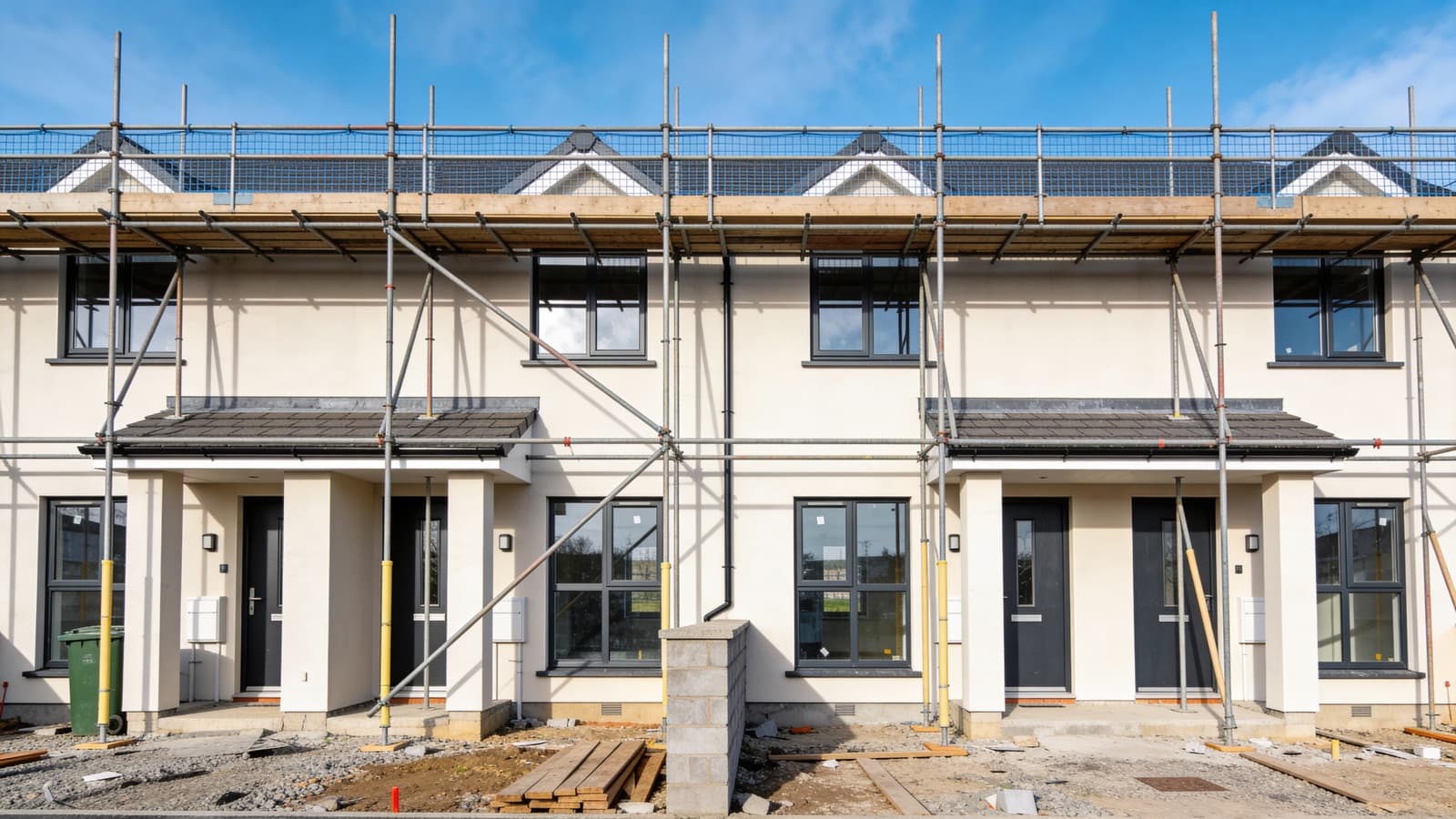
If you're a builder or developer about to break ground on a residential project, your choice of electrical contractor will directly affect how smoothly the build runs. The wrong contractor causes programme delays, snag lists, and certification headaches. The right one becomes a reliable part of your team. Here's how to tell the difference.
Programme Fit Is Everything
An electrical contractor on a multi-unit development isn't just doing a job. They're fitting into a build programme alongside groundworks, block layers, plasterers, plumbers, and a dozen other trades. The contractor you choose needs to understand phased delivery. First fix happens before plastering, second fix happens after. If the electrician is late to first fix, the plasterer can't start. If second fix drags, handover slips. Ask how they manage programme coordination, a good contractor will map their work to your schedule, not the other way around.
Capacity to Deliver at Scale
A development of 20, 50, or 90 units requires a team that can sustain output over weeks or months. A sole trader with one apprentice is unlikely to keep pace. Look for a contractor with a crew that can scale to the project, and ask for references from similar-sized jobs. Our team of 10 delivered the full electrical package on a large residential development in Dublin, maintaining consistent quality across every unit from first to last.
Safe Electric Certification on Every Unit
Every home needs a Safe Electric completion certificate before handover. This isn't optional. It's a legal requirement and your buyers' solicitors will ask for it. The contractor you choose must be Safe Electric registered and capable of issuing individual certificates for every unit. We provide full documentation on handover: test results, circuit schedules, and signed Safe Electric certificates for each home.
Fixed Pricing and Scope Clarity
Get a fixed price based on drawings, not a verbal estimate. The quote should include everything: first fix, second fix, consumer units, testing, and certification. It should be clear on what's included per unit (number of sockets, lighting points, specialist circuits) and what's considered an extra. Ambiguity in the quote leads to disputes on site. We quote per unit from your drawings and lock the price before work begins.
Communication and Site Presence
You need a contractor who communicates proactively, not one you have to chase. The site foreman should know your programme, attend coordination meetings, and flag issues before they become problems. We assign a dedicated site lead to every development project, one point of contact who owns the electrical package from start to finish.
What to Ask Before Signing
- How many units have you delivered on a single project?: Look for proven experience at your project's scale
- Can you work to our programme?: They should ask for your programme, not just a start date
- What's your crew size?: Match the team to the project volume
- Do you issue Safe Electric certs per unit?: The answer must be yes
- Can I speak to a reference from a similar project?: If they hesitate, that tells you something